

get in touch
-32232.png)
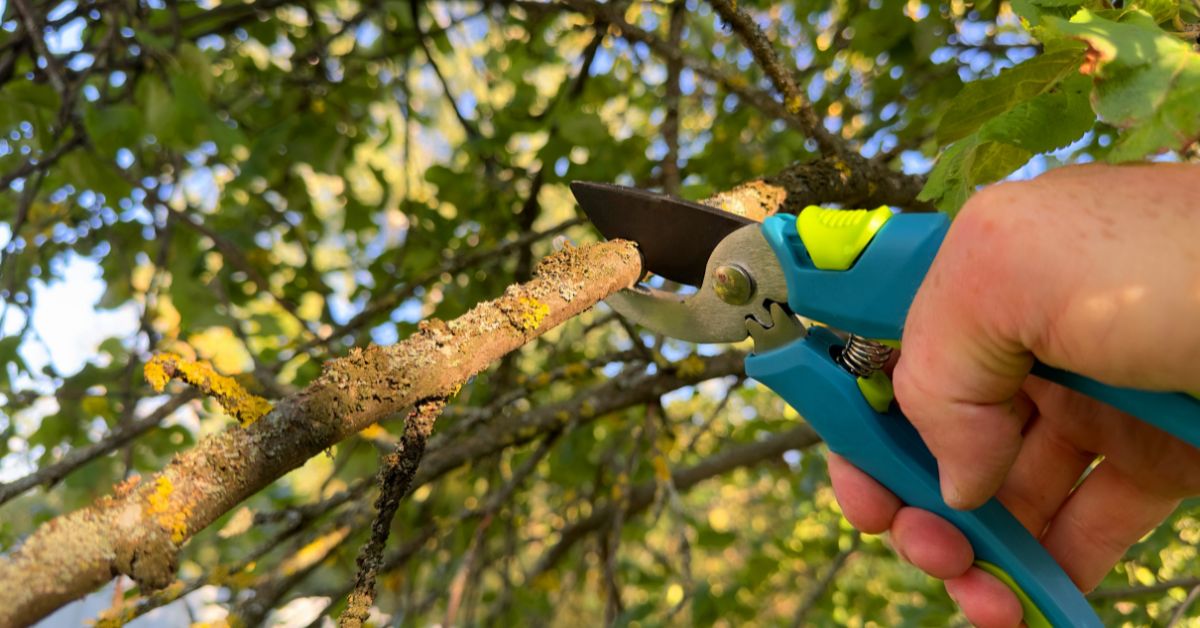
Tree pruning is one of the most essential maintenance tasks for any property owner. Whether you have ornamental trees or mature oaks, pruning not only shapes their growth but also protects your home and enhances overall landscape health. But how do you know when your trees need attention?
At Salas Services, we specialize in tree trimming and pruning across the DFW Metroplex and surrounding areas. In this blog, we’re sharing five common signs that it’s time to prune your trees—before small issues become big problems.
If your tree looks unbalanced, misshapen, or overgrown, it’s time for a trim. Overgrown branches:
Regular pruning restores your tree’s natural shape, improves air circulation, and encourages healthy, even growth.
Branches that are brittle, leafless, or show signs of decay may be dead or infected. Leaving these on your tree can lead to:
Removing deadwood is one of the most important parts of any pruning session. Salas Services inspects every branch for signs of damage and removes them safely to prevent further issues.
If you notice branches reaching toward your house, roof, power lines, or driveway, it’s a major red flag. Uncontrolled growth can result in:
Our team safely trims back overreaching branches and ensures your trees remain a healthy distance from structures and utilities.
A tree’s canopy should allow for some sunlight and airflow to pass through. If it’s too dense, you might experience:
Pruning thins the canopy, allowing light and air to filter through and promoting better overall plant health on your property.
After a storm or extreme weather event, always check your trees for signs of:
Even if a tree looks fine at a glance, hidden damage can pose future risks. Salas Services offers post-storm tree evaluations and pruning to reduce hazards and preserve your tree’s structure.

Here are the most common questions client’s usually have for us. Still have more questions? Contact Us.
Yes, we offer emergency tree removal services for situations such as storm damage, fallen trees, or hazardous trees posing an immediate risk. Contact us at [phone number] as soon as possible in case of emergencies, and our team will prioritize your situation.
We can assist you with the process of obtaining permits for tree removal, if required. The need for permits varies based on local regulations and tree preservation ordinances. Our team will guide you through the necessary steps and provide any documentation or information needed for the permit application.
While trees are generally low-maintenance, certain signs indicate the need for professional intervention. Watch out for symptoms such as extensive dead or dying branches, sudden leaf loss, significant pest infestation, leaning or unstable tree structure, or visible signs of disease or decay. If you notice any of these issues, it's best to consult with our skilled arborists.
Several signs indicate that a tree may need to be removed, including significant structural damage, extensive disease or pest infestation, severe leaning, extensive root damage, or proximity to power lines or structures. Our professional arborists can assess the tree's health and safety to determine if removal is necessary.
The frequency of tree trimming or pruning depends on various factors such as tree species, age, and overall health. As a general guideline, it is recommended to have trees pruned every 3-5 years to maintain their shape, promote healthy growth, and remove any hazardous or dead branches.
The ideal time to plant new trees depends on the tree species and climate. In general, spring and fall are the preferred seasons for tree planting as the weather conditions are more favorable for root establishment. However, it's best to consult with our experts who can provide guidance based on your specific location and tree species.

Can’t find the answer you’re looking for? Please chat with our friendly team.


Transform your landscape with our expert tree and lighting services. Our skilled team creates captivating outdoor spaces that radiate beauty and invite enjoyment.
