

get in touch
-32232.png)
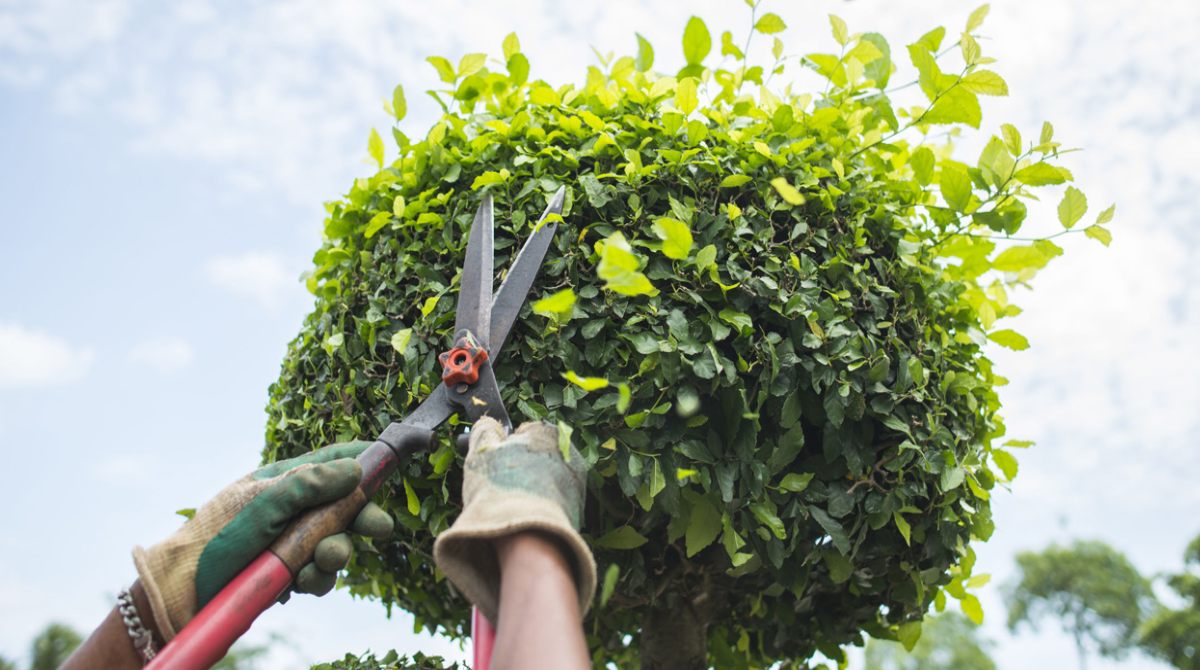
Many homeowners don’t realize that overgrown or neglected trees can become a breeding ground for pests. Insects, rodents, and other unwanted visitors are often attracted to dead wood, dense canopies, and branches that touch your home. Without proper care, trees can quickly become a pathway for infestations.
At Salas Services, we provide expert tree trimming and pruning services across the DFW Metroplex and surrounding areas, helping homeowners maintain healthy trees while reducing pest risks. Let’s explore how regular tree trimming plays a key role in protecting your landscape and your home.
Dead or decaying branches are one of the biggest attractors for pests. Insects such as termites, beetles, and ants are drawn to weakened wood because it’s easier to burrow into.
Tree trimming helps by:
By keeping your trees healthy, you remove one of the main reasons pests are drawn to your yard.
Branches that extend too close to your home can act as a bridge for pests. Rodents like squirrels and raccoons often use tree limbs to access roofs and attics.
Regular trimming helps:
Maintaining proper distance between trees and structures is one of the most effective ways to prevent infestations.
Dense tree canopies create dark, damp environments that are ideal for pests and insects. These conditions can encourage:
Tree trimming opens up the canopy, allowing more sunlight and airflow to pass through. This creates a less favorable environment for pests to thrive.
Routine tree trimming also gives professionals the opportunity to inspect trees closely. During trimming, signs of pest activity can be identified early, such as:
Early detection allows for quicker treatment, preventing pests from spreading to other parts of your landscape.
Fallen leaves and excess debris around your yard can create hiding places for insects and small animals. Overgrown trees tend to shed more debris, especially when branches are unhealthy.
Trimming helps control debris by:
A cleaner yard is less attractive to pests looking for shelter.
Pests that begin in one tree can easily spread to others, especially in closely planted landscapes. Regular trimming helps prevent this chain reaction by maintaining the health of each tree.
Healthy trees are more resistant to pest infestations and better able to recover from minor damage.
While trimming may seem like a simple task, proper techniques are essential to avoid damaging the tree. Incorrect cuts can weaken the tree and make it more vulnerable to pests.
At Salas Services, our experienced team uses proper pruning methods to protect tree health while reducing pest risks. We carefully evaluate each tree to ensure it receives the right level of care.

Here are the most common questions client’s usually have for us. Still have more questions? Contact Us.
Yes, we offer emergency tree removal services for situations such as storm damage, fallen trees, or hazardous trees posing an immediate risk. Contact us at [phone number] as soon as possible in case of emergencies, and our team will prioritize your situation.
We can assist you with the process of obtaining permits for tree removal, if required. The need for permits varies based on local regulations and tree preservation ordinances. Our team will guide you through the necessary steps and provide any documentation or information needed for the permit application.
While trees are generally low-maintenance, certain signs indicate the need for professional intervention. Watch out for symptoms such as extensive dead or dying branches, sudden leaf loss, significant pest infestation, leaning or unstable tree structure, or visible signs of disease or decay. If you notice any of these issues, it's best to consult with our skilled arborists.
Several signs indicate that a tree may need to be removed, including significant structural damage, extensive disease or pest infestation, severe leaning, extensive root damage, or proximity to power lines or structures. Our professional arborists can assess the tree's health and safety to determine if removal is necessary.
The frequency of tree trimming or pruning depends on various factors such as tree species, age, and overall health. As a general guideline, it is recommended to have trees pruned every 3-5 years to maintain their shape, promote healthy growth, and remove any hazardous or dead branches.
The ideal time to plant new trees depends on the tree species and climate. In general, spring and fall are the preferred seasons for tree planting as the weather conditions are more favorable for root establishment. However, it's best to consult with our experts who can provide guidance based on your specific location and tree species.

Can’t find the answer you’re looking for? Please chat with our friendly team.


Transform your landscape with our expert tree and lighting services. Our skilled team creates captivating outdoor spaces that radiate beauty and invite enjoyment.
