

get in touch
-32232.png)
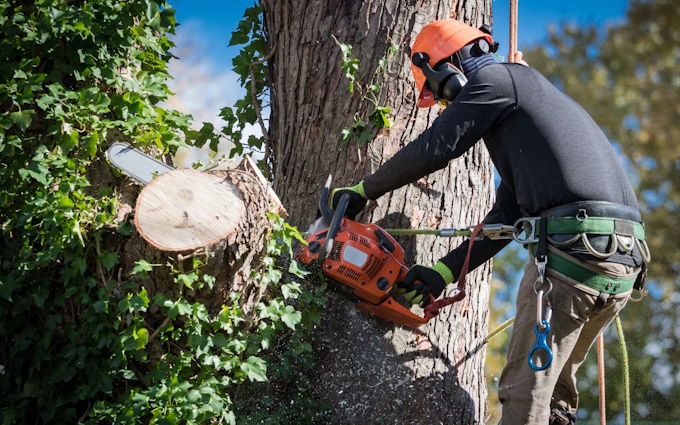
Tree trimming is one of the most important aspects of maintaining a healthy and attractive landscape—but it’s also one of the most misunderstood. Whether you’re trying to improve curb appeal, prevent overgrowth, or remove dead branches, improper trimming can do more harm than good.
At Salas Services, we provide expert tree trimming and pruning services across the DFW Metroplex and surrounding areas, helping homeowners maintain beautiful and structurally sound trees. Let’s walk through the key do’s and don’ts to help you avoid common mistakes and make the most of your outdoor investment.
One of the primary goals of trimming is to improve tree health. Removing dead, diseased, or weak limbs encourages better airflow, prevents pest infestations, and allows the tree to direct energy toward healthy growth. Additionally, strategic trimming helps:
Always keep the tree’s natural form in mind while trimming.
Over-pruning, especially all at once, is one of the most damaging mistakes. Removing more than 25% of the tree’s canopy can stress the tree and stunt its growth. Similarly, topping—cutting off large portions of the top—is highly discouraged. It leads to:
Healthy trimming means careful cuts—not drastic shearing.
The best time to trim trees is typically during the dormant season (late winter to early spring), especially for deciduous trees. Trimming during this time:
However, broken or dangerous limbs should always be removed promptly—no matter the season.
Avoid trimming:
These times already stress the tree, and trimming can further compromise its ability to heal. Our team at Salas Services can assess the health of your tree before recommending the right timing.
Tree trimming isn’t just about cutting—it’s about making the right cuts. Always:
These best practices help the tree heal faster and avoid infections.
If you’re dealing with large branches, tall trees, or limbs near power lines or your home, don’t risk it. DIY trimming in these situations can be:
Let our experienced crew handle the heavy lifting with the right equipment and safety protocols.
Our certified team brings years of expertise to every tree trimming job. We:
Whether it’s routine pruning or storm prep trimming, we’re here to help your trees thrive.

Here are the most common questions client’s usually have for us. Still have more questions? Contact Us.
Yes, we offer emergency tree removal services for situations such as storm damage, fallen trees, or hazardous trees posing an immediate risk. Contact us at [phone number] as soon as possible in case of emergencies, and our team will prioritize your situation.
We can assist you with the process of obtaining permits for tree removal, if required. The need for permits varies based on local regulations and tree preservation ordinances. Our team will guide you through the necessary steps and provide any documentation or information needed for the permit application.
While trees are generally low-maintenance, certain signs indicate the need for professional intervention. Watch out for symptoms such as extensive dead or dying branches, sudden leaf loss, significant pest infestation, leaning or unstable tree structure, or visible signs of disease or decay. If you notice any of these issues, it's best to consult with our skilled arborists.
Several signs indicate that a tree may need to be removed, including significant structural damage, extensive disease or pest infestation, severe leaning, extensive root damage, or proximity to power lines or structures. Our professional arborists can assess the tree's health and safety to determine if removal is necessary.
The frequency of tree trimming or pruning depends on various factors such as tree species, age, and overall health. As a general guideline, it is recommended to have trees pruned every 3-5 years to maintain their shape, promote healthy growth, and remove any hazardous or dead branches.
The ideal time to plant new trees depends on the tree species and climate. In general, spring and fall are the preferred seasons for tree planting as the weather conditions are more favorable for root establishment. However, it's best to consult with our experts who can provide guidance based on your specific location and tree species.

Can’t find the answer you’re looking for? Please chat with our friendly team.


Transform your landscape with our expert tree and lighting services. Our skilled team creates captivating outdoor spaces that radiate beauty and invite enjoyment.
