

get in touch
-32232.png)
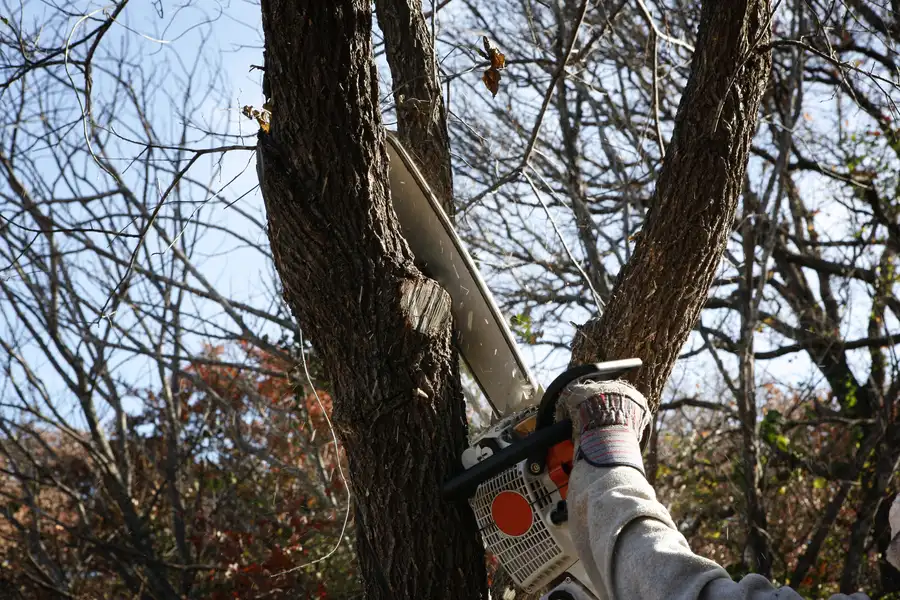
While trees bring shade, beauty, and value to a property, there are times when removing a tree is the smartest—and safest—decision a homeowner can make. Diseased, damaged, or poorly placed trees can become liabilities, posing risks to people, property, and nearby healthy plants.
At Salas Services, we specialize in safe and efficient tree removal throughout the DFW Metroplex and surrounding areas. In this blog, we’ll explore the key reasons why tree removal might be necessary and how it contributes to a healthier, more balanced landscape.
Trees suffering from fungal infections, pest infestations, or internal rot can quickly become hazards. While early treatment may save some trees, others decline beyond recovery and pose a risk of:
Tree removal helps prevent these issues and protects the health of your entire landscape. At Salas Services, we assess the condition of each tree and recommend safe removal when necessary.
Large or leaning trees near structures, fences, or driveways can become dangerous liabilities. One strong windstorm or heavy rain can uproot a weakened tree, leading to costly damage.
Removing these high-risk trees can:
With our professional equipment and experienced crew, Salas Services handles removals without harming the surrounding property.
Overcrowded or oversized trees may block sunlight and restrict airflow in your yard, which can stunt grass growth and impact other plants. Removing one or more trees may be necessary to:
Our team carefully evaluates tree placement and suggests removal only when it benefits your yard’s long-term vitality.
Dead branches and unstable trunks can pose serious safety hazards—especially if they hang over walkways, patios, or power lines. In many cases, removing the tree entirely is the safest solution.
Professional tree removal ensures:
Salas Services always prioritizes safety—for your family, your home, and our team.
If you’re planning a new patio, pool, fence, or garden, some existing trees may need to be removed to make space. We often assist homeowners with:
Our removal services include site prep, root grinding, and clean-up so your project can move forward without delay.
Not all trees are a good fit for your landscape. Invasive species or fast-growing varieties may crowd out other plants, damage soil, or require constant maintenance.
Salas Services helps homeowners identify and remove trees that:
Removing these trees supports a balanced and sustainable outdoor space

Here are the most common questions client’s usually have for us. Still have more questions? Contact Us.
Yes, we offer emergency tree removal services for situations such as storm damage, fallen trees, or hazardous trees posing an immediate risk. Contact us at [phone number] as soon as possible in case of emergencies, and our team will prioritize your situation.
We can assist you with the process of obtaining permits for tree removal, if required. The need for permits varies based on local regulations and tree preservation ordinances. Our team will guide you through the necessary steps and provide any documentation or information needed for the permit application.
While trees are generally low-maintenance, certain signs indicate the need for professional intervention. Watch out for symptoms such as extensive dead or dying branches, sudden leaf loss, significant pest infestation, leaning or unstable tree structure, or visible signs of disease or decay. If you notice any of these issues, it's best to consult with our skilled arborists.
Several signs indicate that a tree may need to be removed, including significant structural damage, extensive disease or pest infestation, severe leaning, extensive root damage, or proximity to power lines or structures. Our professional arborists can assess the tree's health and safety to determine if removal is necessary.
The frequency of tree trimming or pruning depends on various factors such as tree species, age, and overall health. As a general guideline, it is recommended to have trees pruned every 3-5 years to maintain their shape, promote healthy growth, and remove any hazardous or dead branches.
The ideal time to plant new trees depends on the tree species and climate. In general, spring and fall are the preferred seasons for tree planting as the weather conditions are more favorable for root establishment. However, it's best to consult with our experts who can provide guidance based on your specific location and tree species.

Can’t find the answer you’re looking for? Please chat with our friendly team.


Transform your landscape with our expert tree and lighting services. Our skilled team creates captivating outdoor spaces that radiate beauty and invite enjoyment.
